
Custom web applications
Applications built around your process rather than a generic workflow — the screens, rules and permissions that match how the work is actually done, reachable from a browser on any device.
Software built for the way your business actually works — when a spreadsheet has stopped coping and off-the-shelf tools do not fit the process you run.

Businesses running critical processes in spreadsheets
Founders building a SaaS product and needing the first version shipped
Teams that need an internal tool no off-the-shelf product covers
Businesses needing systems they already use connected together
Each part below is delivered as standard within the agreed scope — none of it is a premium upgrade.
Applications built around your process rather than a generic workflow — the screens, rules and permissions that match how the work is actually done, reachable from a browser on any device.
Multi-tenant products where each customer gets their own isolated data and their own view. Account setup, plan-aware feature access, usage views and the administrative layer you need behind it.
The back office for a site or product: content and record management, search and filtering, bulk actions, and an audit-friendly structure so you can see what changed.
Enquiry capture, contact records, pipeline stages, notes and follow-up tracking — sized to what you will genuinely use, not a feature list nobody opens.
Connecting the systems you already pay for: payment gateways, email and messaging providers, analytics, and third-party APIs — with sensible failure handling so one provider being down does not take your product with it.
Secure sign-in with hashed passwords and token-based sessions, plus role-based permissions so each person sees and edits only what their role allows. Authorisation is enforced on the server, not just hidden in the interface.
A schema designed before the screens are, with the relationships, constraints and indexes the application actually needs, and migrations so the structure can change safely once real data exists.
Functional testing across the flows that matter, staging before production, environment-based configuration so secrets stay out of the codebase, and a deployment you can repeat rather than perform by hand.
Four stages, each with a clear output, so you always know what is happening and what comes next.
We map the process end to end — roles, steps, data and edge cases — and agree what version one must do and what it deliberately will not.
Schema, API surface and permission model designed first, because these are the expensive things to change later.
Delivered feature by feature so you can use and react to real screens rather than waiting for one large reveal.
Staging, functional testing, production deployment, then changes based on how the software behaves with real usage.
Tooling is chosen per project rather than by habit. If something simpler will do the job and leave you easier to support later, that is what gets used.
Real, shipped projects — with what was built, and nothing invented about the results.
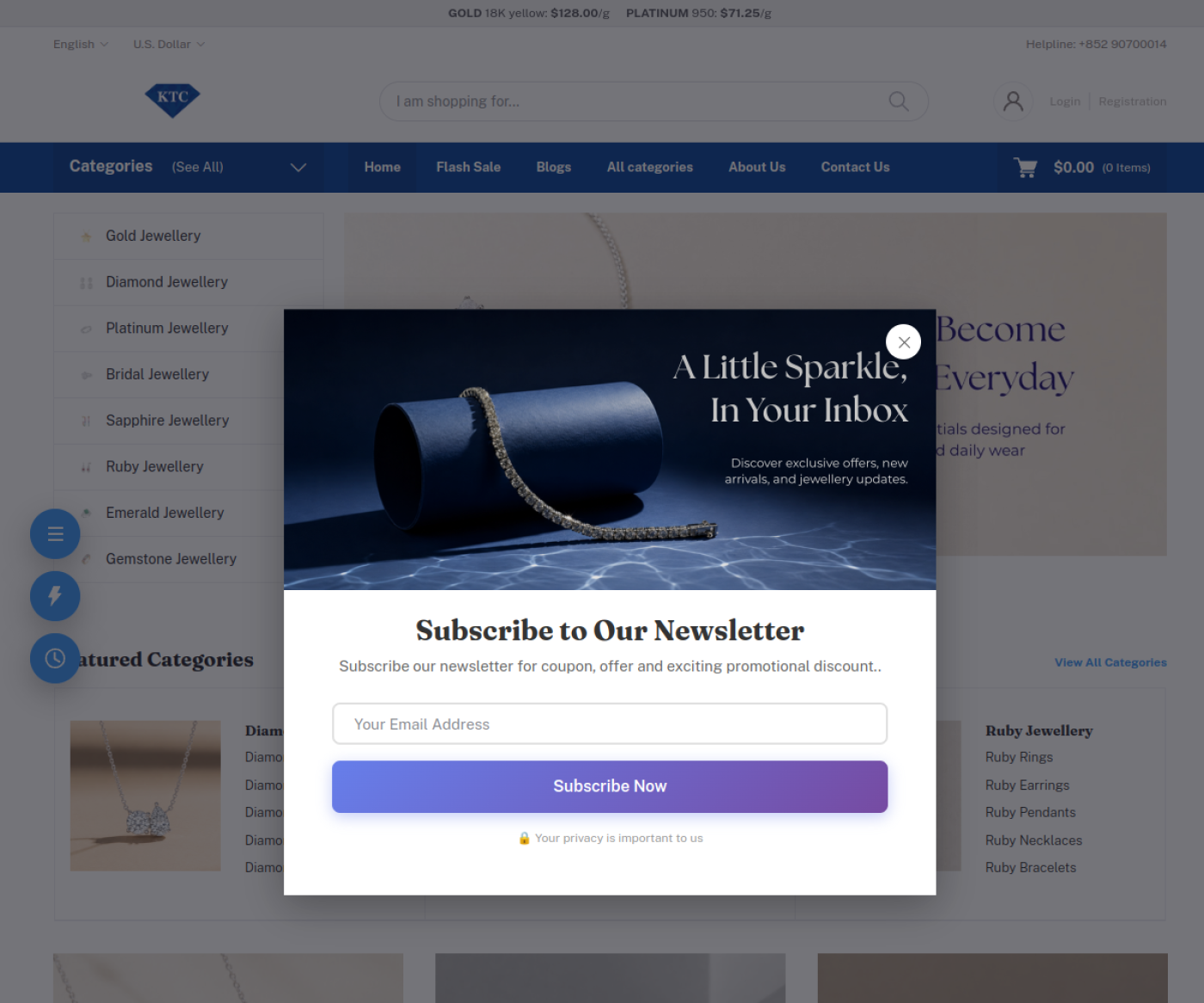
A multi-currency, multi-language jewellery e-commerce platform with a trade and reseller system.
An online trading platform for stocks, crypto and forex, with a full Next.js frontend and real-time data.
Yes. On final payment the code is yours, in your repository, with the deployment configuration you need to run it independently.
More answers on the full FAQ page.
Tell us what you need and you will get a straight answer on scope, approach and cost — with no obligation.